AI Ecosystem

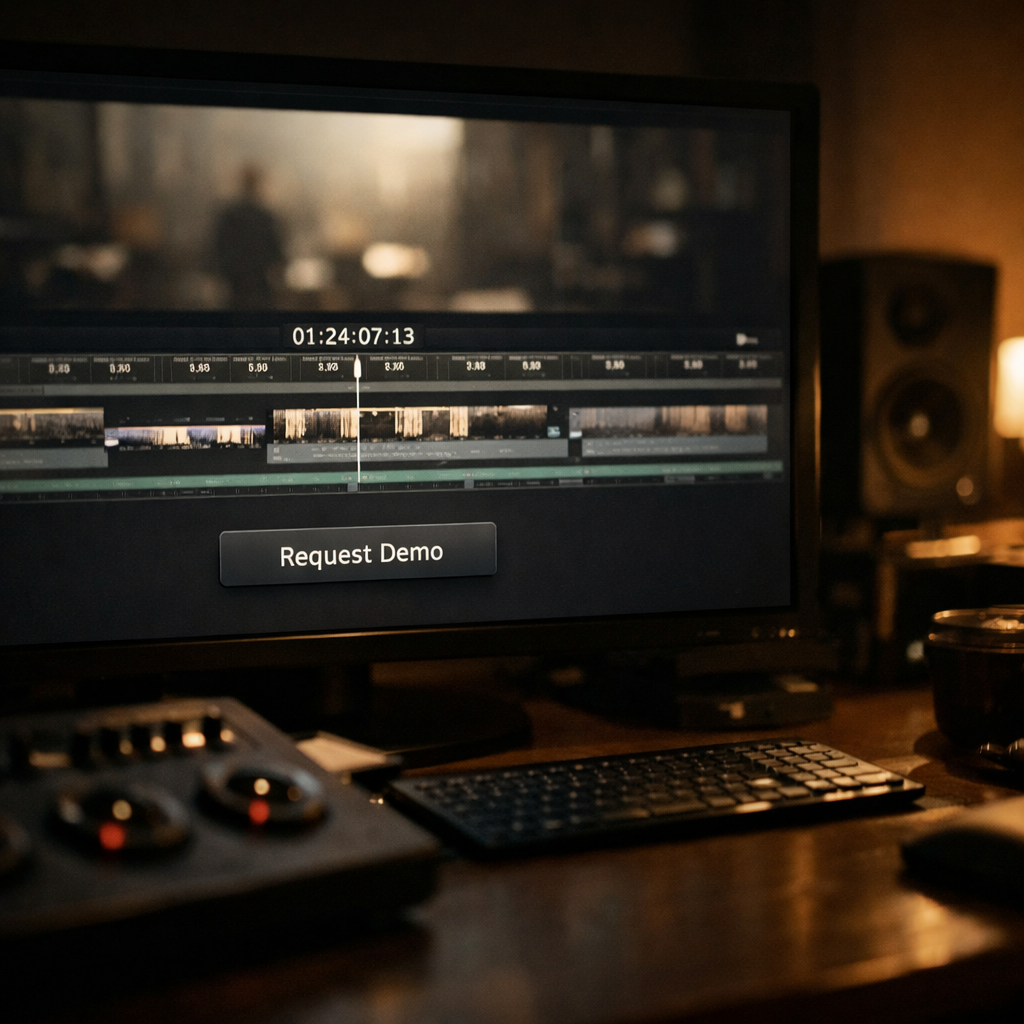

Theater Mode
Editorial Assembly & Preview Rendering
Theater Mode is HigherKey’s non-destructive editorial assembly system, designed to help filmmakers see structure before committing to edits. It assembles footage into coherent narrative previews using compositional and storytelling logic—without locking cuts, baking decisions, or touching original media.
Theater Mode exists to clarify, not to decide.Rather than behaving like an auto-editor, Theater Mode functions as an intelligent preview layer. It segments scenes, groups narrative beats, and applies genre-aware compositional logic to create watchable, review-ready assemblies. These previews allow directors, editors, and producers to evaluate pacing, structure, and emotional flow early—when changes are still cheap and reversible.
Every output generated by Theater Mode is explicitly labeled PREVIEW. There are no “final” buttons, no silent commits, and no destructive exports. The system produces traceable preview renders alongside detailed logs explaining how scenes were grouped and why certain structural decisions were suggested.
Theater Mode is not designed to replace editors. It is designed to give them clarity sooner. By surfacing structure early and safely, it allows creative teams to spend less time guessing and more time refining intent before the real editing work begins.
How It Works
1) Analyze
Builds an analysis master and measures structure across time:
- Shot boundaries
- Pacing statistics
- Narrative rhythm classification
- Confidence scoring
3) Propose
Produces human-readable recommendations with:
- Time ranges
- Confidence
- Rationale
- Risk if ignored

4) Require Consent
No action is allowed unless it is:
- Explicitly approved
- Signed by an authorized human
- Logged and reversible
5) Deliver + Verify
Outputs are packaged with:
- Delivery encodes
- Immutable manifests
- Verification scripts for third parties

.svg)

.png)